Don't negotiate in Thailand without a Thai at the table
Most foreign buyers leave 20 to 40 percent on the table, not because they negotiated badly, but because they were never really in the negotiation. Monika represents your position with full cultural and linguistic command, in the language and the silences that matter.
Talk to Monika about your dealFrom THB 35,000. See full pricing
left on the table by foreign buyers, not from negotiating badly, but from never really being in the negotiation
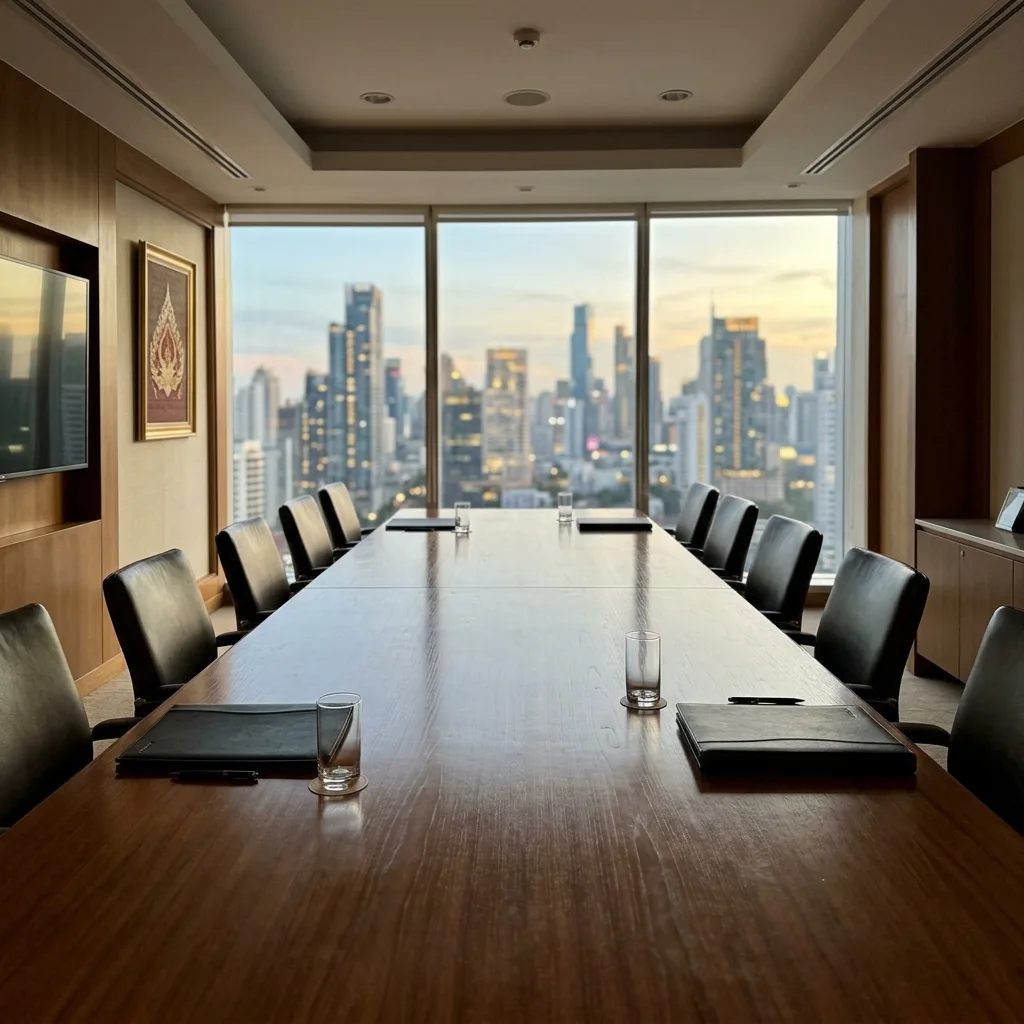
The hidden cost of negotiating blind
You walk into a Thai meeting room. The conversation is polite, friendly, agreeable. Everyone smiles. The deal is going well. You leave thinking you closed at a good price.
Your Thai counterpart spent the first 20 minutes deciding how much margin to put on top of their real price specifically because you are foreign. They spoke English to you and Thai to each other across the table. The "best we can do" they gave you is 30 percent above what they would have offered another Thai. The contract you signed contains payment terms that quietly favour them and three clauses you would have pushed back on if you had understood what they actually mean in Thai commercial practice.
This is not because Thai businesses are dishonest. It is because Thai business is relational, indirect, and culturally specific in ways that simply cannot be bridged by translation alone. The negotiation that determines what you pay and what you get is happening in a language and a register you are not in.

What you do not see when you negotiate yourself
A few of the things that consistently cost foreign buyers money or ground in Thai negotiations:
The opening price is rarely the real price.
There is almost always 15 to 30 percent of negotiation room built into the first number, but pushing for it requires knowing how to push without causing loss of face.
What "yes" means depends on context.
In Thai business culture, a polite "yes" can mean agreement, acknowledgement, or "I do not want to disagree with you in this room but the answer is no." Reading the difference takes years.
Payment terms are often where deals are quietly won or lost.
The price gets the headlines, but a 50 percent upfront term versus a 30 percent term changes the economics of the whole engagement.
Side conversations matter.
While you are being shown a presentation in English, the people on the other side of the table are coordinating in Thai. Knowing what they are saying changes the negotiation entirely.
The relationship after the deal is part of the deal.
A Thai supplier who feels they lost the negotiation will not service the account the same way as one who feels the relationship is balanced. Closing well and protecting the post-deal relationship is a single skill, not two.
What we actually do in the room
Monika represents your interests as your principal. This is not interpretation. It is negotiation.
We prepare your position
We work with you to understand your real priorities: the price ceiling, the deal-breakers, the points you are flexible on, and the relationships you want to preserve. We brief you on what to expect, the cultural dynamics, and what role you should take in the meeting itself.
Monika negotiates on your behalf
In Thai when needed and English when appropriate, with full visibility into both conversations. She reads the room, picks up the side commentary, manages the tempo, applies pressure at the right moment, and pulls back when pushing further would damage the relationship. You participate at the level you want. She can lead entirely, or advise quietly while you lead.
You get a clear debrief
A written debrief: what was agreed, what was implied but not stated, what the next moves should be, and what red flags or opportunities came up that you would not have noticed.

Two ways to engage us
Single-deal engagement
You have a specific negotiation coming up: a supplier contract, a partnership deal, a property purchase, a service agreement. We brief, attend, negotiate, and debrief.
Ongoing representation
You are operating in Thailand with multiple negotiations across a quarter or a year. We become your continuous negotiating presence: supplier reviews, contract renewals, new partner conversations, and price pressure as it comes up.
Cover, before, during, and after the table
Pre-meeting briefing call with Monika to align on priorities and strategy
Live representation in the meeting itself (in person in Bangkok, or by video for remote negotiations)
Real-time interpretation of subtext and side conversations where applicable
Written post-meeting debrief with clear agreements, implicit signals, and recommended next moves
Direct WhatsApp access during active negotiation windows for fast follow-up decisions
When to bring us in
You are about to negotiate a supplier contract worth more than what a few thousand dollars of negotiation support could move
You are entering a partnership, joint venture, or distribution agreement and need someone whose only loyalty is to your position
A deal has gone quiet and you suspect something cultural is happening that you cannot read
A contract is in front of you in Thai or dense legal English and you need someone to walk you through what it actually says versus what you have been told it says
You are renegotiating with an existing supplier and the relationship is sensitive
A translator gives you the words. A negotiator gives you the deal.
A translation agency
Most will not push back at the table. That is not their role, and they have no commercial incentive aligned with your outcome.
A Thai lawyer
Can review the final contract, but lawyers come in at the end. By then the price, the terms, and the relationship dynamics are mostly fixed.
A Thai business consultant
Can advise you in theory, but most do not sit in negotiations as your representative. We do.
A friend who speaks Thai
The most common approach, and the most expensive over time. Goodwill is not a substitute for professional commercial representation.
Investment, and what it returns
Includes pre-brief, live attendance, and debrief. Multi-meeting deals and complex negotiations are scoped individually.
Includes up to four active negotiations per month plus general advisory access.
Meetings outside Bangkok are quoted with travel: regional day trip from THB 45,000, upcountry overnight from THB 60,000.
On a deal worth USD 50,000, a 10 percent improvement on price or terms is USD 5,000. Most of our engagements pay for themselves on the first meeting.
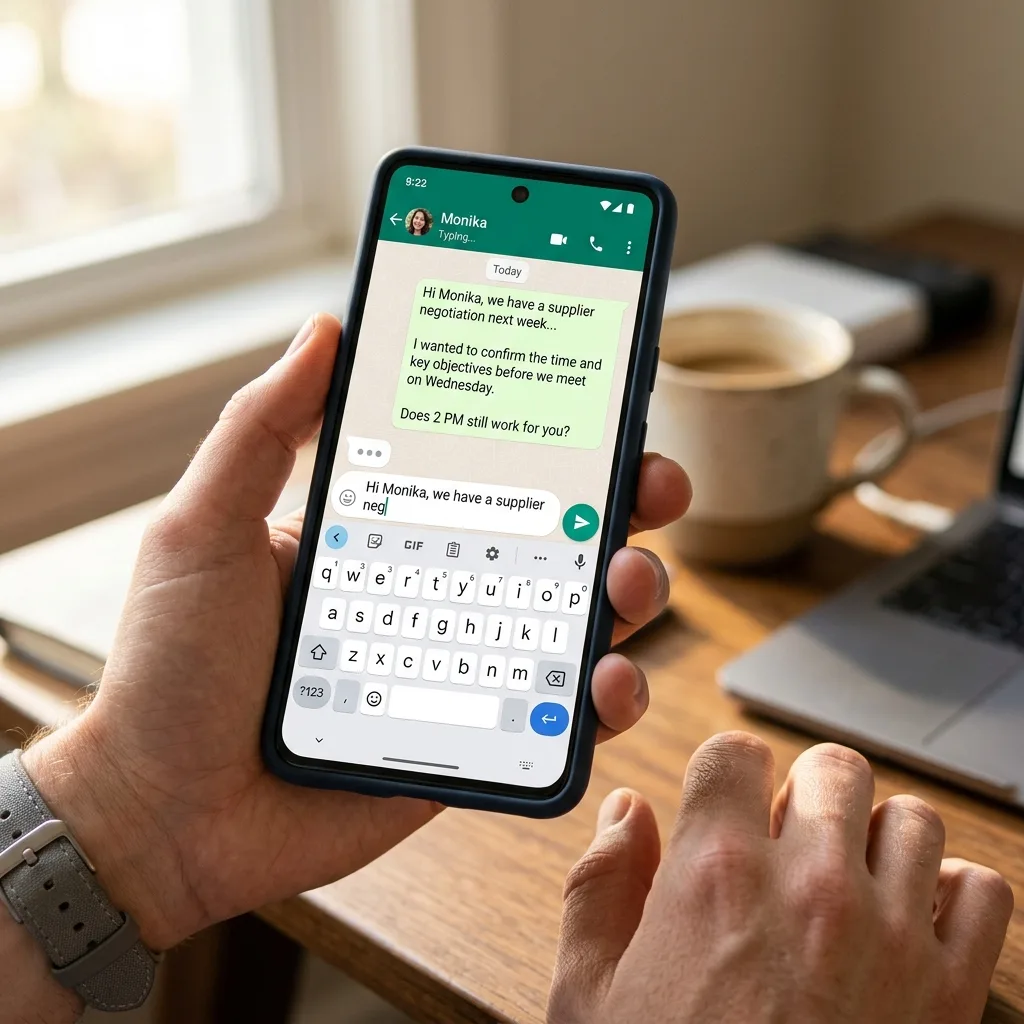
Tell us about the deal you are about to negotiate
Send Monika a short message describing the situation: what you are negotiating, who you are negotiating with, and when. She will respond quickly with a recommendation on whether we should be in the room, what role we should play, and what it would cost.